

Asian Food Delivery Apps with the Most Monthly Users
Since its invention and popularity, food delivery apps have been growing rapidly. In Asia, there are several household names with the most monthly users.

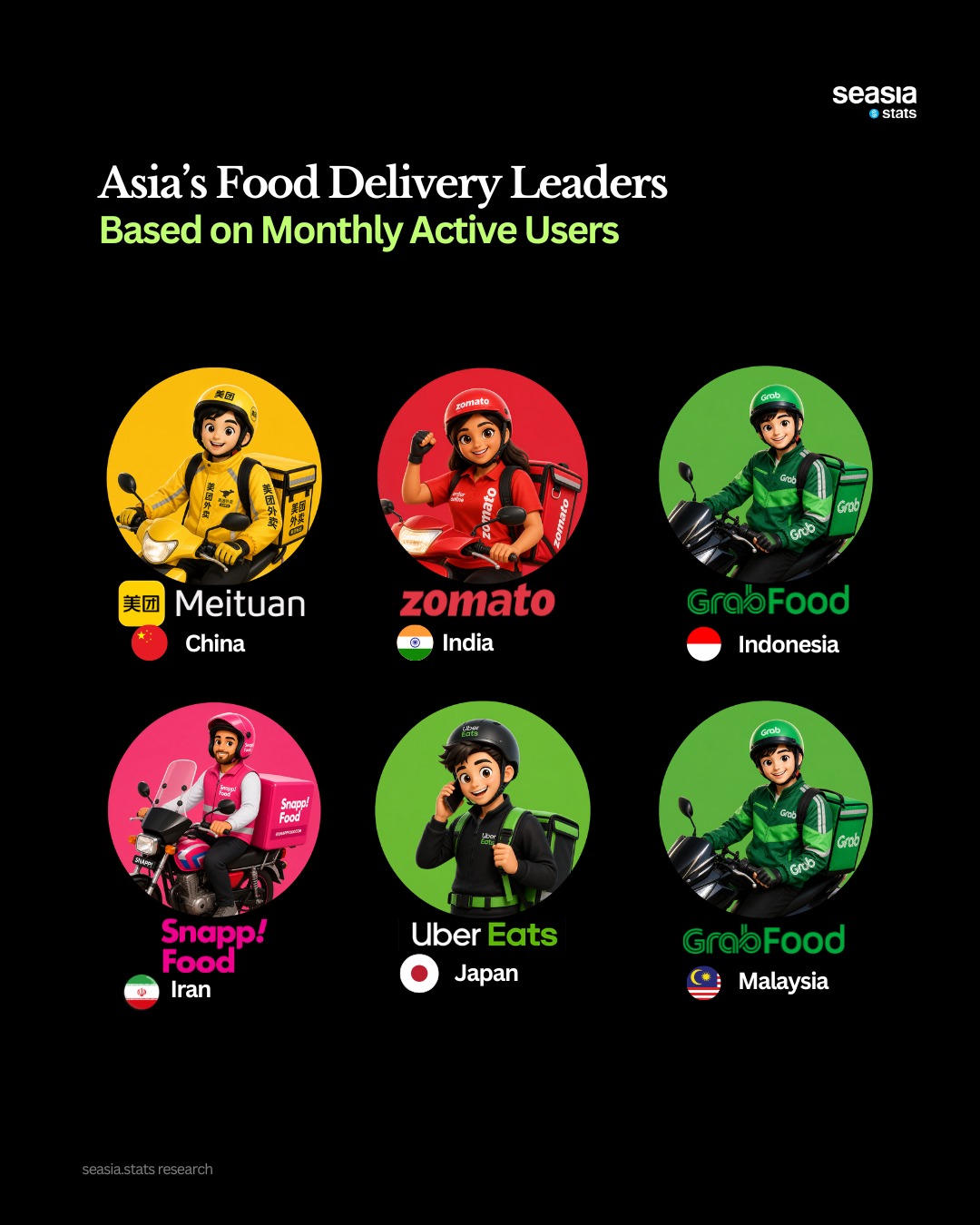
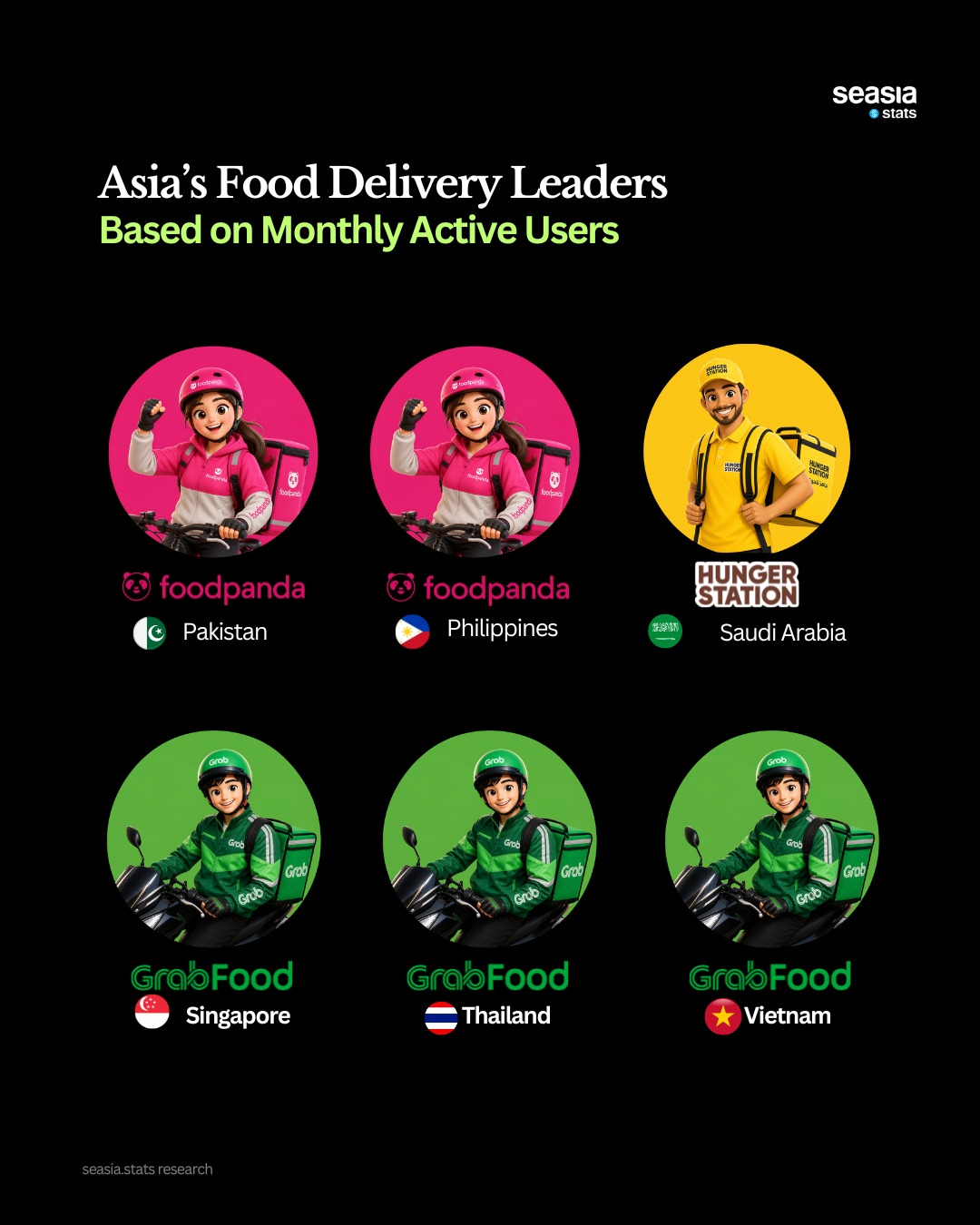
Asia’s food delivery market is highly fragmented, with different platforms dominating individual countries based on monthly active users (MAUs), local preferences, and digital ecosystems. Rather than one single regional leader, the industry is characterized by strong domestic champions and a few regional super-apps competing across borders.
In China, Meituan stands as the undisputed leader. It consistently records the highest MAUs in the country, making it the largest food delivery platform in Asia by user base. Its dominance is supported by a vast logistics network and integration with lifestyle services, allowing it to maintain a strong lead over competitors like Ele.me.
India’s market is led by Zomato, which has built a massive user base through aggressive expansion, restaurant partnerships, and innovations such as quick commerce. Alongside Swiggy, Zomato controls a significant share of one of the world’s fastest-growing food delivery markets.
In Japan, Uber Eats has emerged as a major player in a relatively fragmented market. Its global brand recognition and logistics expertise have helped it compete effectively against local platforms, especially in major urban centers like Tokyo and Osaka.
Moving to the Middle East, Snapp Food dominates Iran, benefiting from its integration within the broader Snapp super-app ecosystem. Similarly, HungerStation leads in Saudi Arabia, where localized services and partnerships with restaurants have driven strong adoption among users.
In Southeast Asia, competition is more regional. GrabFood is the clear leader across Indonesia, Malaysia, Singapore, Thailand, and Vietnam. By 2025, it held around 55% of the regional market, supported by its super-app model combining ride-hailing, payments, and delivery services.
Meanwhile, Foodpanda remains a key competitor, particularly in the Philippines and Pakistan. Its wide geographic reach and focus on affordability and promotions have helped it maintain a large active user base across multiple countries.
Overall, Asia’s food delivery landscape reflects a “localized dominance” pattern. Major platforms like Meituan, Zomato, and GrabFood lead in their respective regions, while others such as Uber Eats, Foodpanda, Snapp Food, and HungerStation thrive in specific national markets.
Collectively, these apps highlight how cultural preferences, infrastructure, and digital ecosystems shape user adoption, making Asia the most diverse and competitive food delivery market in the world.