

Asia's 10 Super-Cool Neighbourhoods
Explore Asia's top vibrant neighborhoods, from Tokyo’s Tomigaya to Manila’s Binondo, where culture, creativity, and coffee come together in style.

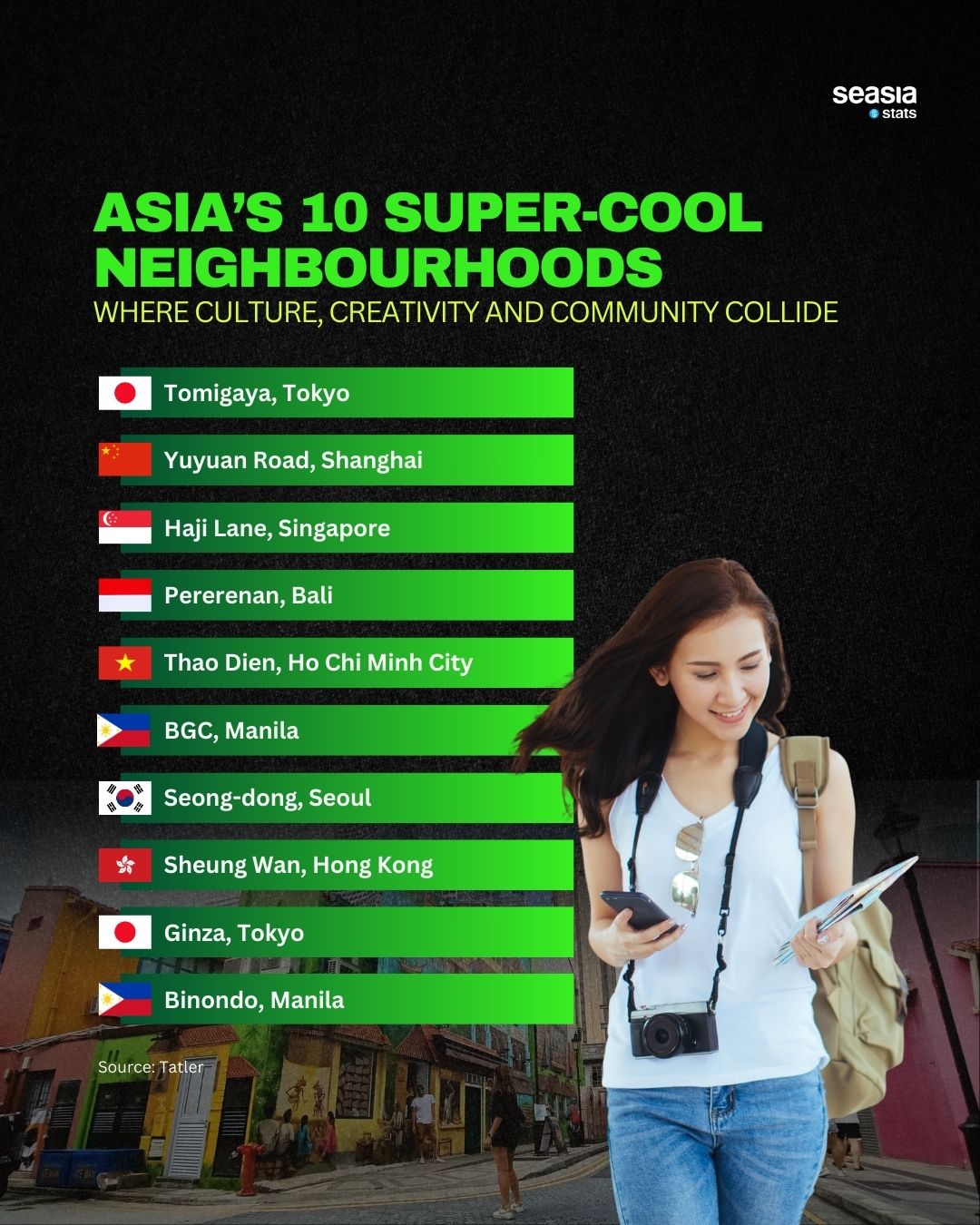
Tucked away in the heart of Tokyo, Tomigaya is the perfect blend of calm and creativity, making it one of the city’s coolest neighborhoods. Just a short walk from the bustling streets of Shibuya, Tomigaya is a leafy oasis where the pace slows down, and community feels personal. In this neighborhood, baristas greet you by name, and century-old tofu shops share the same street with quirky vintage boutiques, offering a harmonious mix of traditional craftsmanship and modern trends.
What makes Tomigaya so unique is its ability to maintain a sense of local authenticity despite Tokyo’s reputation for cutting-edge innovation. Here, long-standing cultural practices coexist with new, artistic endeavors, making it a spot where creativity flows freely, whether it’s in the form of design studios or local artisans. Tomigaya’s charm lies in its ability to cater to both the old and the new, blending two worlds effortlessly.
Yuyuan Road: Shanghai’s Fusion of Old and New
Yuyuan Road in Shanghai captures the spirit of heritage and modernity with a twist of sophistication. This neighborhood boasts heritage villas, many of which have been repurposed into concept stores that combine the elegance of old architecture with contemporary trends. The feel of “Paris meets Pudong” is unmistakable, with boutique cafes sitting beside art galleries and high-end fashion stores popping up in once-residential spaces.
What truly sets Yuyuan Road apart is its ability to merge Shanghai’s rich cultural history with its growing reputation as a global design hub. The area draws both locals and international travelers looking to experience a side of the city that’s less about the neon lights and more about discovering Shanghai’s creative spirit in everyday spaces.
Southeast Asia’s Hip Hubs: From Singapore to Bali
Haji Lane in Singapore has long been a favorite among the city’s hipster crowd. This tiny alleyway is known for its colorful murals, indie boutiques, and a laid-back vibe that offers a perfect escape from the city’s sleek, corporate exterior. Here, creativity spills out onto the streets, with fashion, art, and design all coming together in a unique expression of urban culture.
On the island of Bali, Pererenan brings a more relaxed, beachy charm to the mix. Known for its boho sophistication, this neighborhood offers an inviting atmosphere that blends tropical beauty with the island’s spiritual energy. Whether you’re sipping coffee at a trendy cafe or exploring local art galleries, Pererenan offers a perfect retreat for both digital nomads and travelers alike. Its laid-back vibes make it a place where both locals and visitors can truly unwind and tap into their creative energies.
Ho Chi Minh City’s Thao Dien: East Meets West
In Ho Chi Minh City, Thao Dien has become a vibrant blend of Vietnamese soul and Western expat influence. Known for its growing café culture, Thao Dien has become a melting pot for creative professionals, artists, and digital nomads. The neighborhood’s Pinterest-worthy cafes and artisanal shops are perfect spots for those looking for inspiration or simply enjoying a coffee with a view.
Thao Dien showcases how global influences can seamlessly blend with local culture to create something truly unique. The neighborhood’s relaxed atmosphere makes it a favorite for those seeking both creative energy and community-driven spaces. Whether you're discovering local art or chatting with fellow expats, Thao Dien is the perfect intersection of culture and creativity.
Manila’s BGC and Binondo: Urban Innovation Meets Rich Tradition
Manila is home to not just one but two stand-out neighborhoods. Bonifacio Global City (BGC) stands out with its sleek, polished skyscrapers and sprawling urban parks, making it a hub for business, dining, and entertainment. BGC’s modern infrastructure and innovative spaces attract young professionals and creative entrepreneurs who are shaping the city’s future. With its stylish cafes, tech offices, and art spaces, BGC exemplifies the fast-paced, forward-thinking nature of Manila.
On the other hand, Binondo, known as the world’s oldest Chinatown, offers a striking contrast with its gritty charm and vibrant street life. The neighborhood is a testament to Manila’s rich cultural heritage, where food stalls, family-run businesses, and centuries-old traditions thrive. Despite its age, Binondo remains an essential part of the city, where culture and cuisine are celebrated in the most authentic way possible. The lively atmosphere of this historic district offers a glimpse into the dynamic cultural melting pot that defines Manila.
Seoul’s Seong-dong and Hong Kong’s Sheung Wan: Creative Transformations
In Seong-dong, Seoul has embraced a creative revival of old factories into new art galleries, design studios, and innovative spaces. This transformation of the district from industrial spaces into cultural hubs represents a growing trend in the city’s artistic development. Seong-dong is becoming a vibrant creativity hotspot, where traditional craftsmanship meets cutting-edge design, creating a unique atmosphere for art lovers and creators alike.
Sheung Wan, on the other hand, offers a more artisanal feel in Hong Kong, with its historic charm and an abundance of antique shops, art galleries, and independent coffee shops. The neighborhood has long been known for its eclectic vibe, and as more contemporary art and culture intertwine with its old-world aesthetics, Sheung Wan continues to thrive as a key destination for creatives seeking inspiration from the city’s past and future.
Tokyo’s Ginza: The Fusion of High Fashion and Tradition
Finally, Tokyo’s Ginza rounds out the list as an area where high fashion meets traditional craftsmanship. Known as a shopping district for luxury goods, Ginza also preserves traditional elements of Japanese craftsmanship, blending them beautifully with the modern, globalized shopping experience. This fusion of high-end fashion, artistry, and cultural heritage creates a truly unique atmosphere where both international fashionistas and locals find inspiration.