

The Most Expensive Cities in Asia
These Asian metropolis are the most expensive to live in.

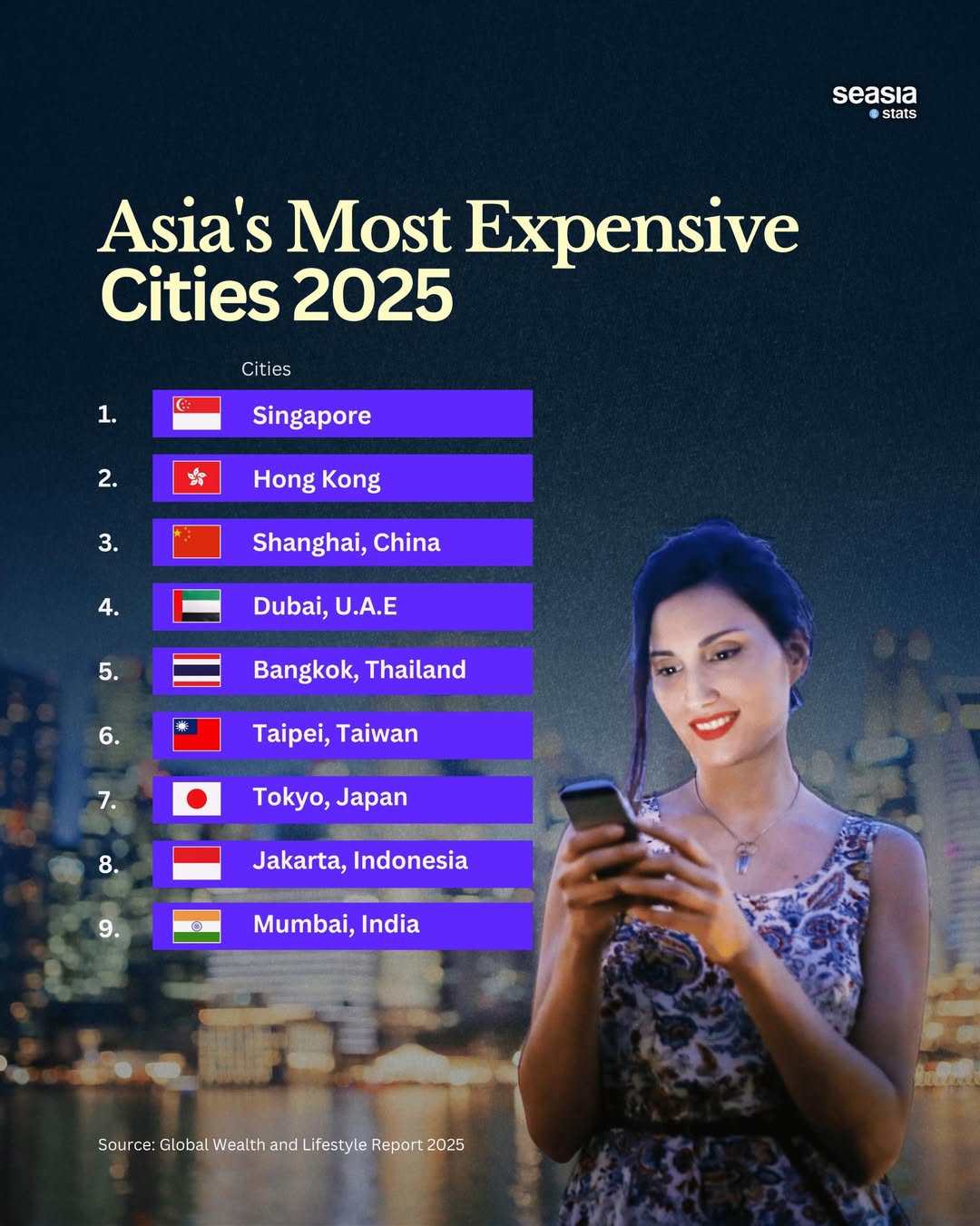
As Asia continues to be a major driver of global economic growth, several of its cities have become increasingly expensive places to live. High housing costs, strong demand for premium services, and thriving business sectors contribute to the rising cost of living across the region.
Singapore remains the most expensive city in Asia. Known for its world-class infrastructure, safety, and strong economy, the city-state has exceptionally high housing prices, transportation costs, and premium lifestyle expenses. Despite these costs, Singapore continues to attract multinational companies and highly skilled professionals from around the world.
Hong Kong follows closely, with its limited land supply driving some of the highest real estate prices globally. Residents face significant housing expenses, while dining, education, and daily services also command premium prices. The city’s role as a major financial hub continues to support its high cost of living.
Shanghai has emerged as mainland China’s most expensive city. As a global financial and commercial center, it offers abundant career opportunities but comes with increasing costs for housing, international schooling, and luxury goods.
Dubai, while geographically located in the Middle East, is often included in broader Asian economic rankings. The city’s luxury lifestyle, premium residential developments, and growing expatriate population contribute to its high living expenses. However, the absence of personal income tax remains an attractive advantage for many residents.
Bangkok and Taipei have experienced rising living costs due to urban development and increased demand for housing. While still more affordable than Singapore or Hong Kong, both cities have seen significant increases in rental prices and consumer spending.
Tokyo continues to be one of Asia’s most expensive metropolitan areas. Although housing can be relatively efficient compared to other global cities, transportation, dining, and overall urban living costs remain substantial. Its advanced infrastructure and high quality of life help justify these expenses.
Jakarta and Mumbai complete the list. Both cities are economic powerhouses in their respective countries and have experienced rapid urbanization.
While average living costs may be lower than in Singapore or Tokyo, prime residential areas, international schools, and premium services can be extremely expensive. As wealth and investment continue to grow, costs in these cities are expected to rise further.
Together, these cities reflect Asia’s economic dynamism and increasing global influence, but they also highlight the growing challenges of affordability for residents in 2025.