

The Staggering Economic Cost of Climate Change
Climate change is no longer just an environmental concern—it has become one of the most pressing economic threats of our time. Since the year 2000, climate-re

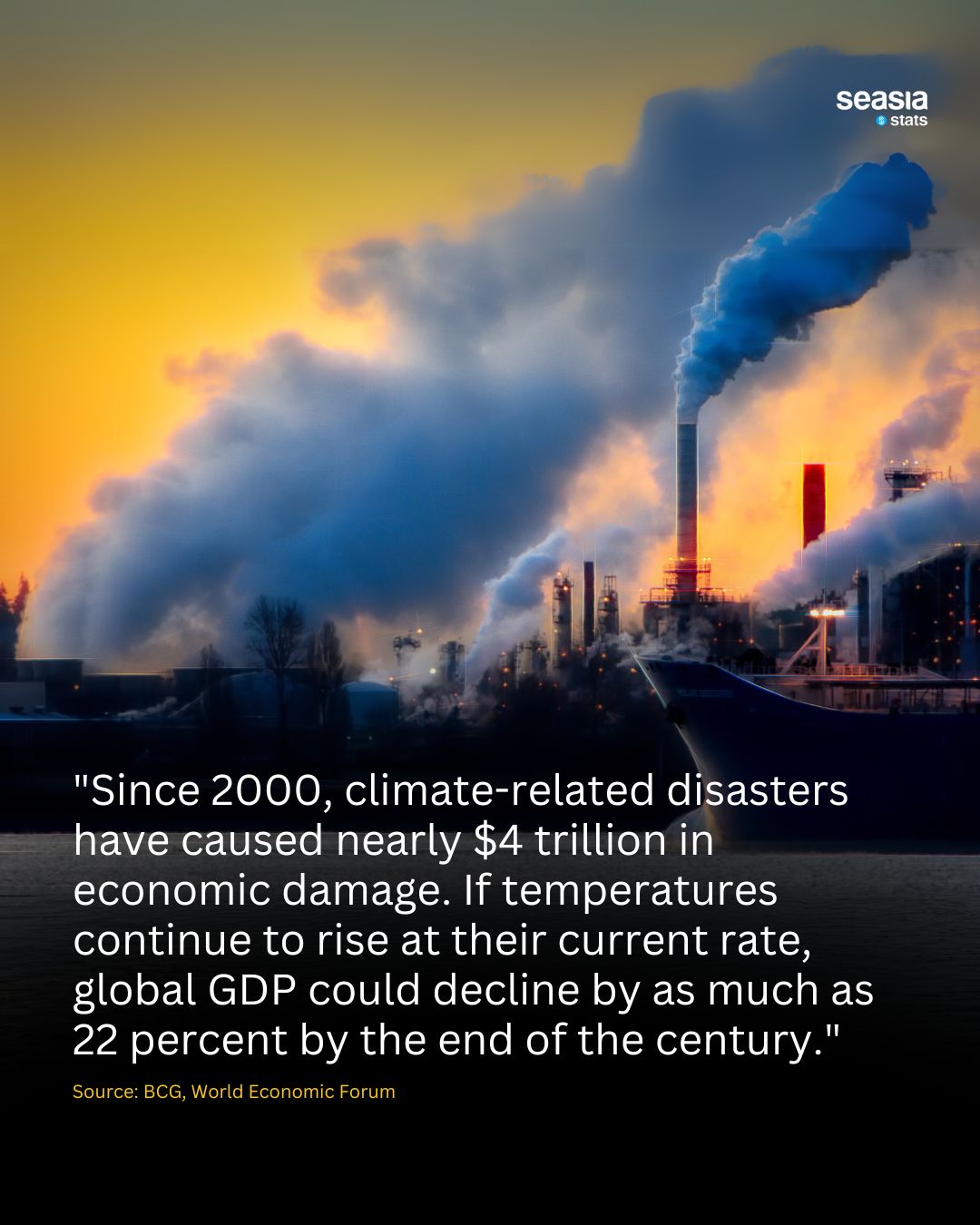
Climate change is no longer just an environmental concern—it has become one of the most pressing economic threats of our time. Since the year 2000, climate-related disasters such as floods, droughts, and wildfires have caused nearly $4 trillion in economic damages globally, according to research from the Boston Consulting Group (BCG) and the World Economic Forum.
If global temperatures continue to rise unabated, the economic consequences could be catastrophic, with projections warning of a potential 22% decline in global GDP by the end of the century. This looming crisis underscores the urgent need for comprehensive action.
Key Drivers of Economic Loss
The economic fallout from climate change stems from multiple, interconnected factors:
1. Damaged Infrastructure
Extreme weather events wreak havoc on essential infrastructure. Roads, bridges, and power grids are destroyed or rendered unusable, disrupting supply chains and halting economic activities. Rebuilding efforts strain public resources and delay recovery, leading to long-term economic stagnation.
2. Reduced Agricultural Yields
Rising temperatures and erratic precipitation patterns threaten global food security. Crop failures and reduced agricultural output not only endanger livelihoods but also drive up food prices, creating a ripple effect across economies.
3. Health Crises
Climate change exacerbates public health challenges. Heatwaves increase mortality rates, air pollution exacerbates respiratory diseases, and the spread of vector-borne illnesses such as malaria and dengue intensifies. The resulting healthcare costs and reduced workforce productivity further burden economies.
4. Mass Migration and Displacement
As rising sea levels and extreme weather events make regions uninhabitable, millions of people are forced to migrate. This mass displacement creates social instability, strains resources in host regions, and disrupts local economies.
The Path Forward: Mitigation and Adaptation
The economic risks posed by climate change demand immediate and coordinated action. Solutions must focus on:
- Reducing Emissions: Transitioning to renewable energy, improving energy efficiency, and curbing greenhouse gas emissions are critical to slowing global warming.
- Investing in Resilience: Strengthening infrastructure to withstand extreme weather and supporting climate-resilient agriculture can minimize damage and safeguard livelihoods.
- International Cooperation: Climate change knows no borders. Global collaboration is essential to pool resources, share technologies, and ensure equitable support for vulnerable regions.
A Call to Action
The economic consequences of climate change are not distant—they are already being felt, and they will intensify without decisive intervention. Governments, businesses, and individuals all have a role to play in fostering a sustainable, climate-resilient future.
Failure to act will not only jeopardize the environment but also erode the foundations of global prosperity. The time to act is now, before the economic costs become irreversible.